Share your travel dreams, and we'll craft a personalized itinerary for you!
The quote provided is an estimate based on the information you supply. Final pricing may vary based on availability, changes in travel dates, and additional details.
Customized Quote - Bhutan
Share your travel dreams, and we'll craft a personalized itinerary for you!
The quote provided is an estimate based on the information you supply. Final pricing may vary based on availability, changes in travel dates, and additional details.
Customized Quote - Nepal
Share your travel dreams, and we'll craft a personalized itinerary for you!
The quote provided is an estimate based on the information you supply. Final pricing may vary based on availability, changes in travel dates, and additional details.
Customized Quote - India
Share your travel dreams, and we'll craft a personalized itinerary for you!
The quote provided is an estimate based on the information you supply. Final pricing may vary based on availability, changes in travel dates, and additional details.
Get Customized Quote
Share your travel dreams, and we'll craft a personalized itinerary for you!
The quote provided is an estimate based on the information you supply. Final pricing may vary based on availability, changes in travel dates, and additional details.
Cultural festivals in South Asia are not just events—they’re immersive journeys into the soul of a region. In India, Nepal, Bhutan, and Sri Lanka, these celebrations reflect centuries of history, religion, and tradition. Whether it’s the explosive joy of Holi or the solemn rituals of Shivaratri, each festival gives travelers a way to experience a place on a deeper level. In this guide, we’ll walk through ten festivals that are musts for anyone interested in authentic cultural travel.
If you’re planning a trip to this region, YourVacations.in offers curated itineraries that align with many of these iconic festivals.
1. Holi – The Festival of Colours (India)
When: March (Phalgun full moon)
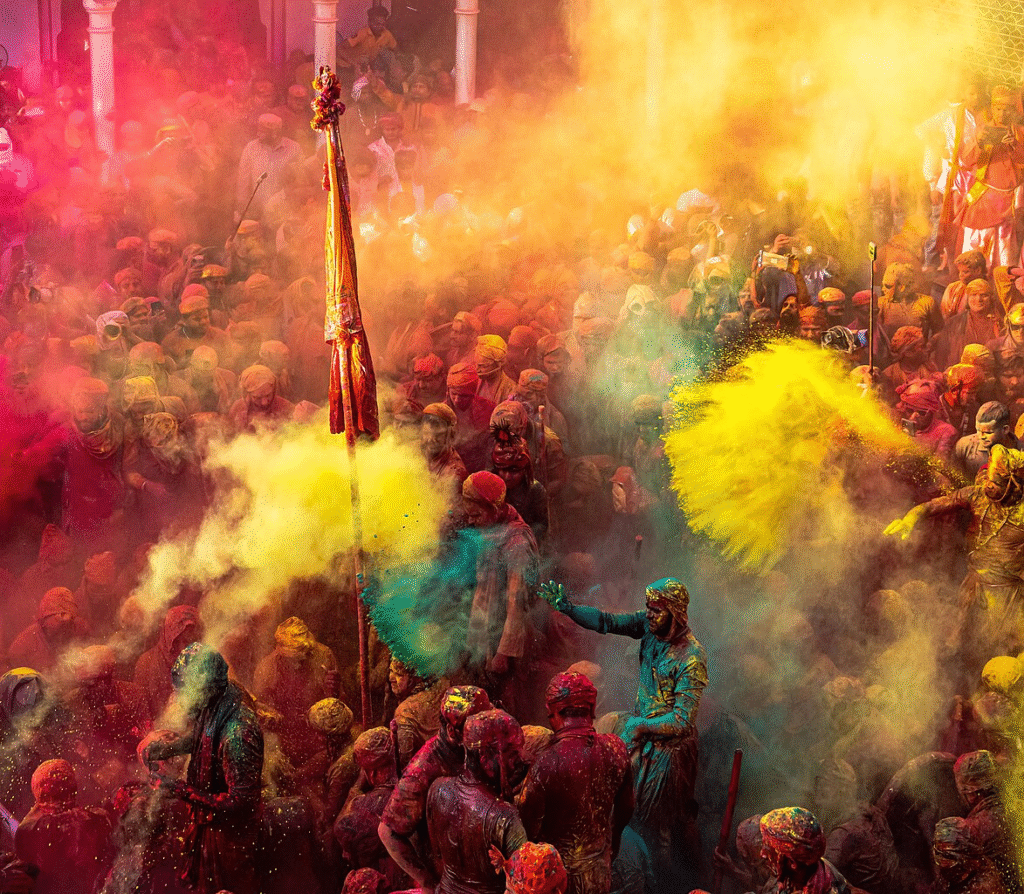
Celebrated across northern India, Holi is perhaps the most exuberant of all South Asian festivals. The streets of cities like Mathura, Vrindavan, and Delhi erupt with clouds of colored powder, music, dancing, and water balloons. It’s a celebration of spring, love, and the victory of good over evil—rooted in Hindu mythology.
The best way to experience Holi is in places with deep Krishna connections. In Mathura and Vrindavan, Holi lasts over a week and involves temple rituals, lathmar (stick) play, and flower showers. Don’t just observe—join in. Just remember to wear old clothes and protect your eyes.
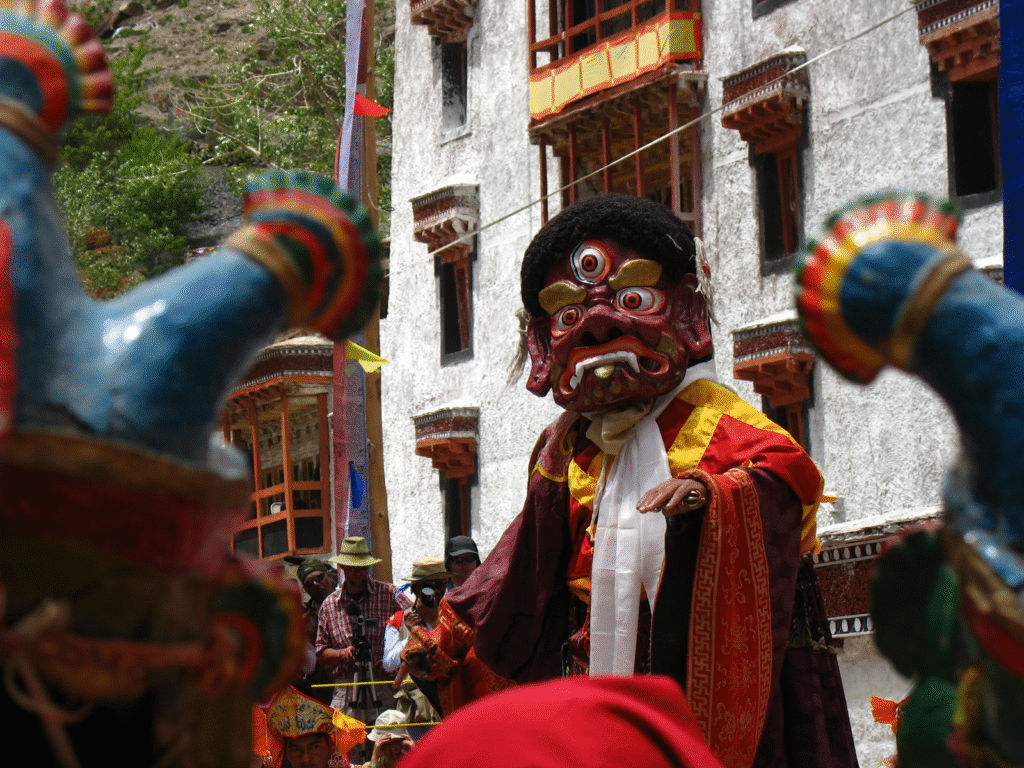
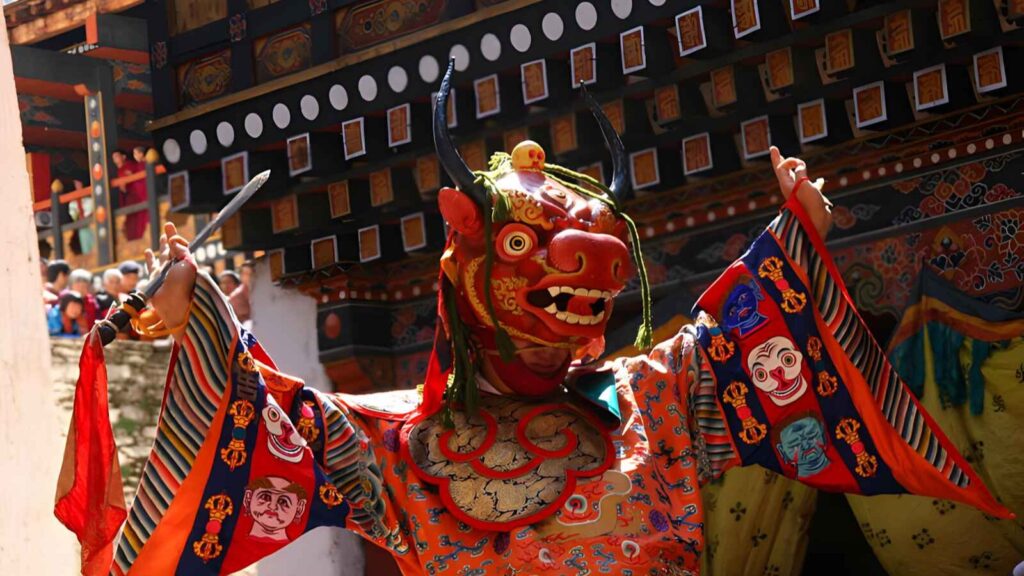
Held at Hemis Monastery near Leh, the Hemis Festival honors Guru Padmasambhava, credited with spreading Buddhism in the Himalayas. Monks in elaborate brocade costumes and masks perform Cham dances to sacred music played on cymbals, horns, and drums.
This is one of the most accessible ways to witness tantric Buddhist rituals in action. The monastery itself, nestled in Ladakh’s stark high-altitude desert, adds to the atmosphere. Visitors are welcome but should dress modestly and remain respectful during the performances.
3. Durga Puja (India – West Bengal)
When: September–October
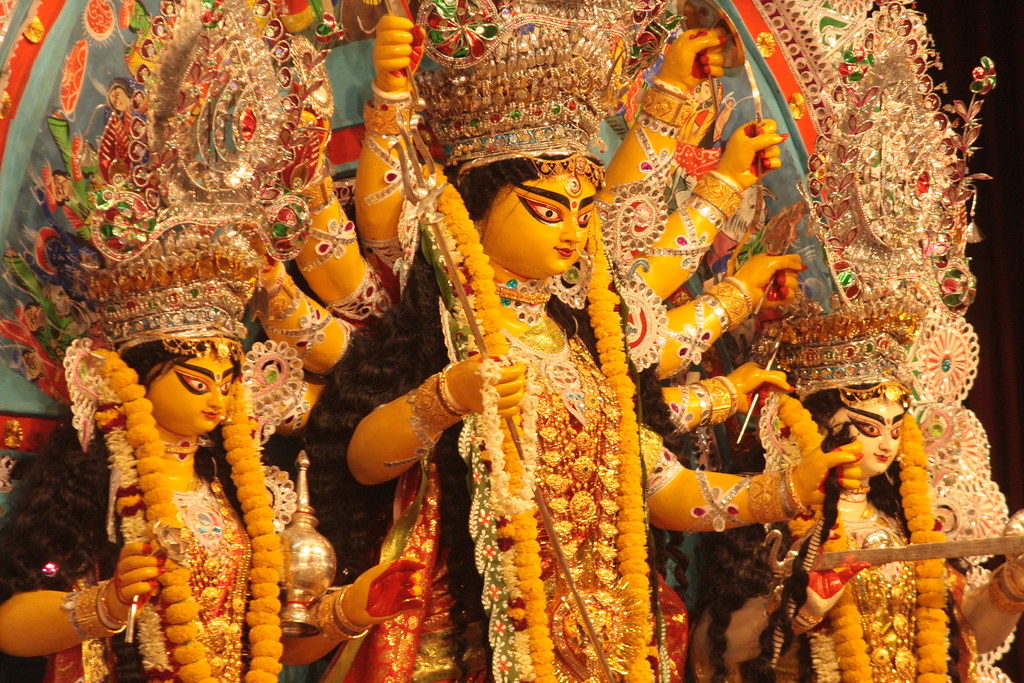
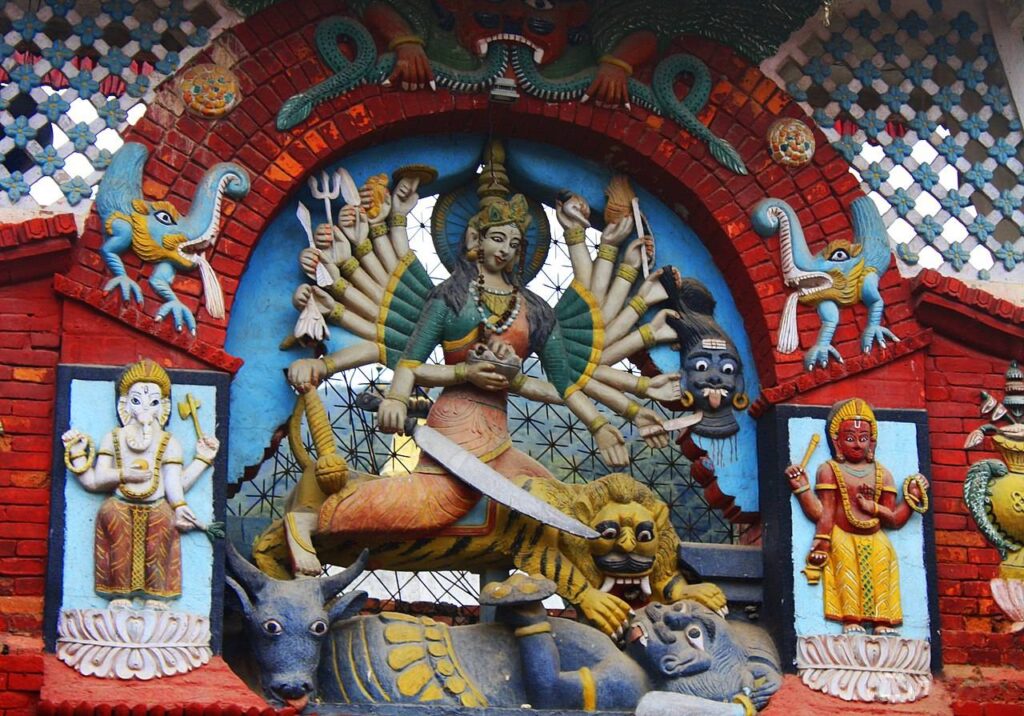
Durga Puja in Kolkata is not just a festival—it’s a cultural phenomenon. Enormous temporary temples (pandals) are built across the city, each more artistic and elaborate than the last. Massive clay idols of Goddess Durga are worshipped for five days amid cultural performances, drumbeats, and food stalls.
The festival honors the goddess’s victory over the buffalo demon Mahishasura. But on the ground, it’s also about celebrating art, family, and community. In 2021, it was recognized by UNESCO as an Intangible Cultural Heritage of Humanity.
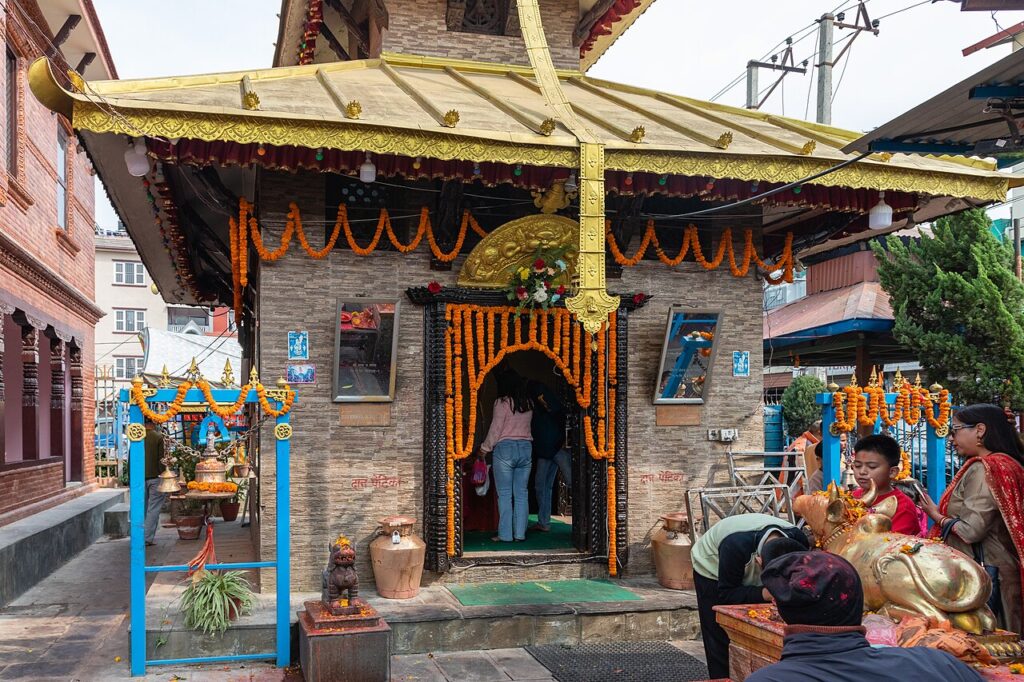
Dashain is Nepal’s most important festival. Spanning 15 days, it symbolizes the victory of good over evil, with each day dedicated to a different ritual. Families reunite, homes are cleaned and decorated, and elders bless younger family members with tika (a mix of yogurt, rice, and vermillion) and jamara (barley grass).
Dashain also involves kite flying, temple visits, and animal sacrifices in some regions. The festival is deeply spiritual and highlights Nepalese values around family and divine protection.
Shivaratri, or the Night of Shiva, is celebrated across the Hindu world but is particularly intense at Pashupatinath Temple in Kathmandu. Pilgrims, sadhus (holy men), and tourists gather here to fast, chant, and light bonfires throughout the night.
Sadhus with ash-smeared bodies and dreadlocks smoke cannabis in devotion to Lord Shiva—a ritual tolerated only during the festival. Photography is allowed in certain areas, but always ask first. This festival is equal parts mysticism, spirituality, and spectacle.
Explore Nepal tours for experience sacred festivals.
6. Rato Machhendranath Festival (Nepal)
When: April to June
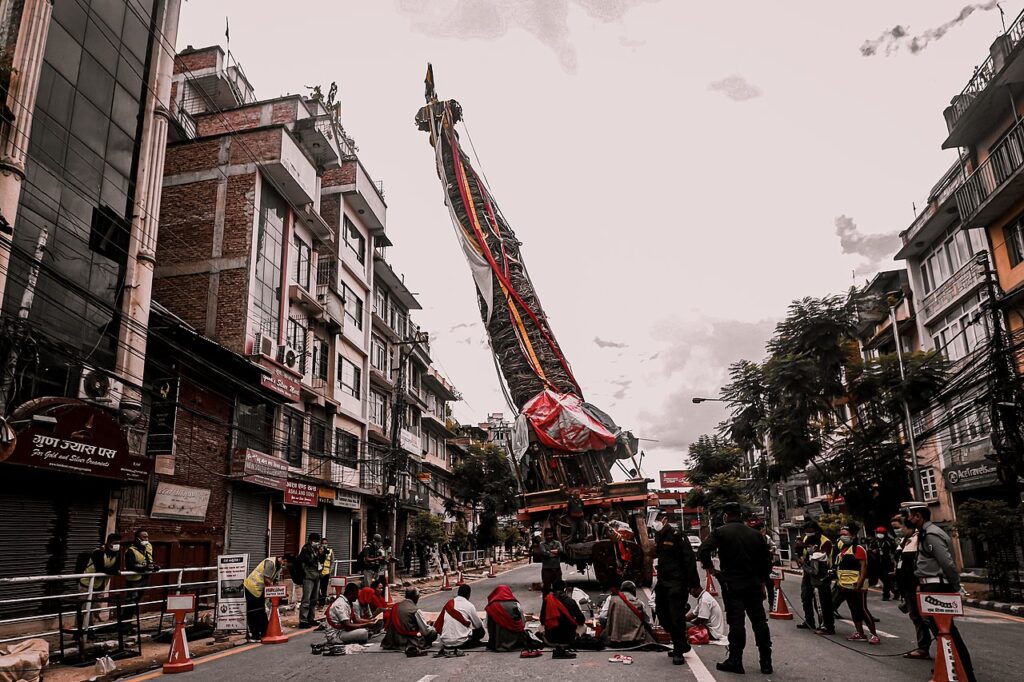
This month-long festival in Patan (Lalitpur) revolves around rain, harvest, and community. The highlight is the towering chariot procession of the deity Machhendranath, who is revered by both Hindus and Buddhists. Locals pull the massive wooden chariot through narrow streets.
The final event, Bhoto Jatra, involves displaying a sacred jeweled vest (bhoto) to the public. No one knows its true owner, making it part of a quirky yet spiritual tradition.
7. Paro Tshechu (Bhutan)
When: March/April
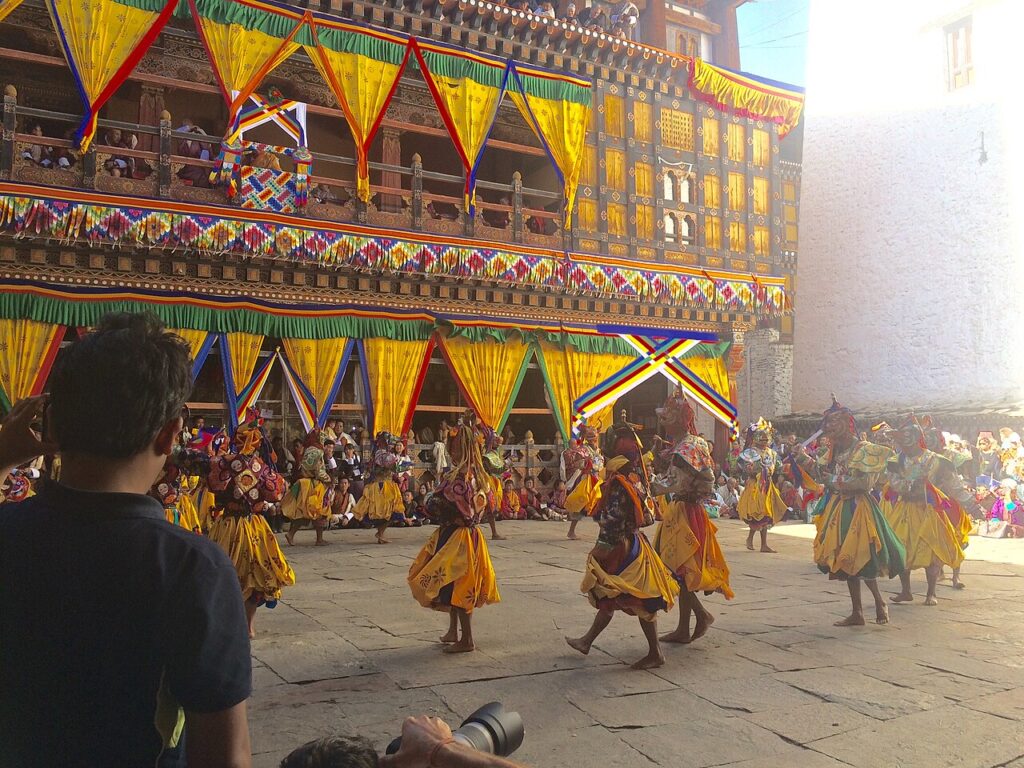
Paro Tshechu is one of Bhutan’s most significant religious festivals. Monks perform Cham dances in ornate masks that tell stories from Buddhist scriptures. These dances are meant to purify onlookers and bring spiritual merit.
Thousands gather in the courtyard of Paro Dzong to witness the unfolding of the thongdrel—a massive silk scroll depicting Guru Rinpoche—which is displayed only once a year.
Set in the stunning Haa Valley, this festival highlights Bhutan’s nomadic culture. Expect yak parades, traditional sports like archery and khuru, folk songs, and regional cuisine. It’s an intimate alternative to more famous tshechus.
For travelers who prefer lesser-known gems, the Haa Summer Festival offers both cultural depth and breathtaking natural beauty.
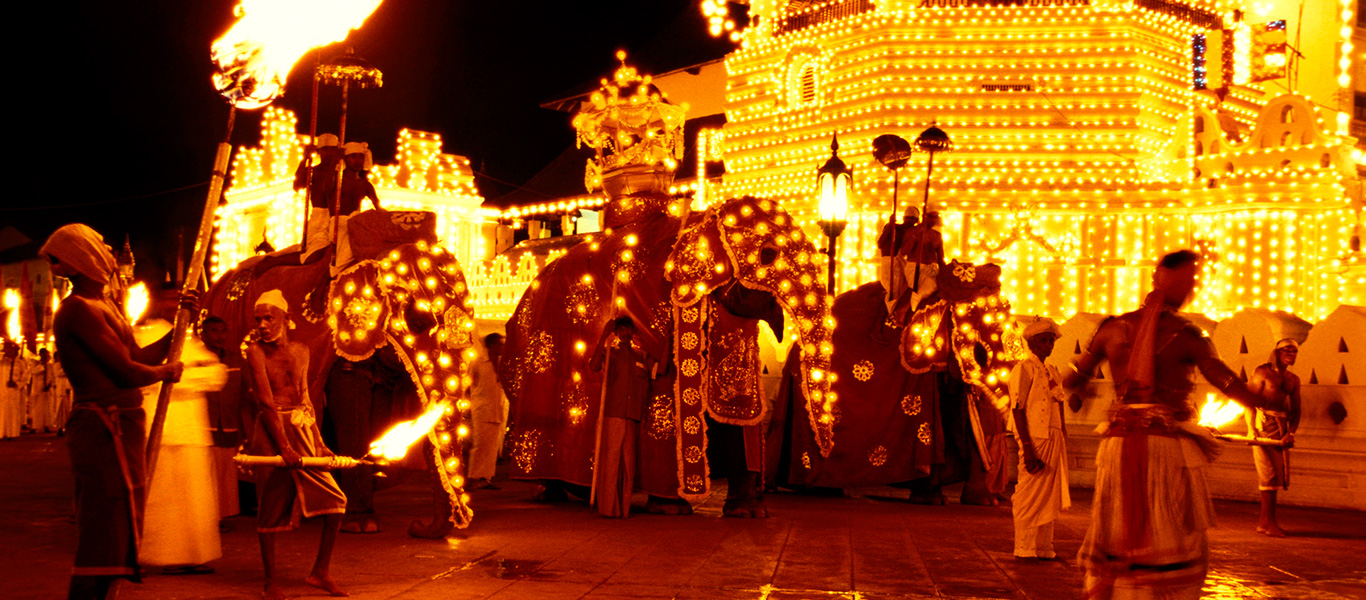
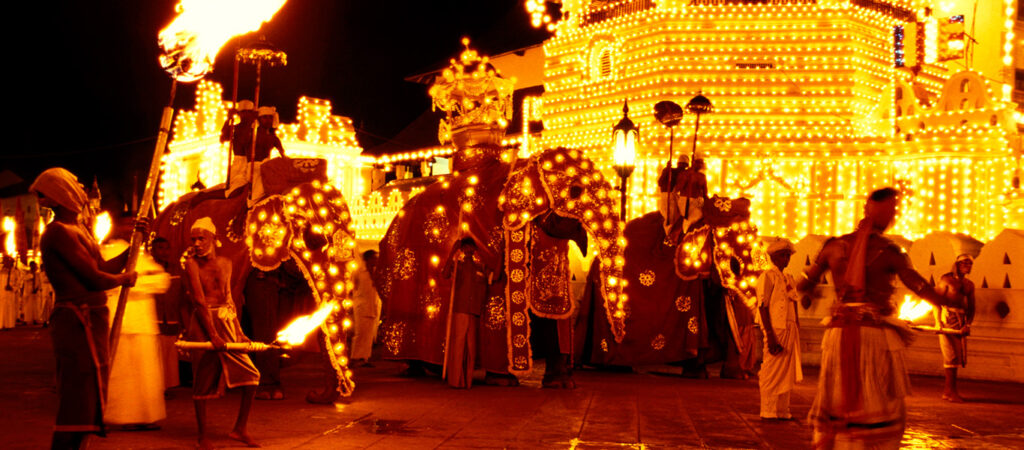
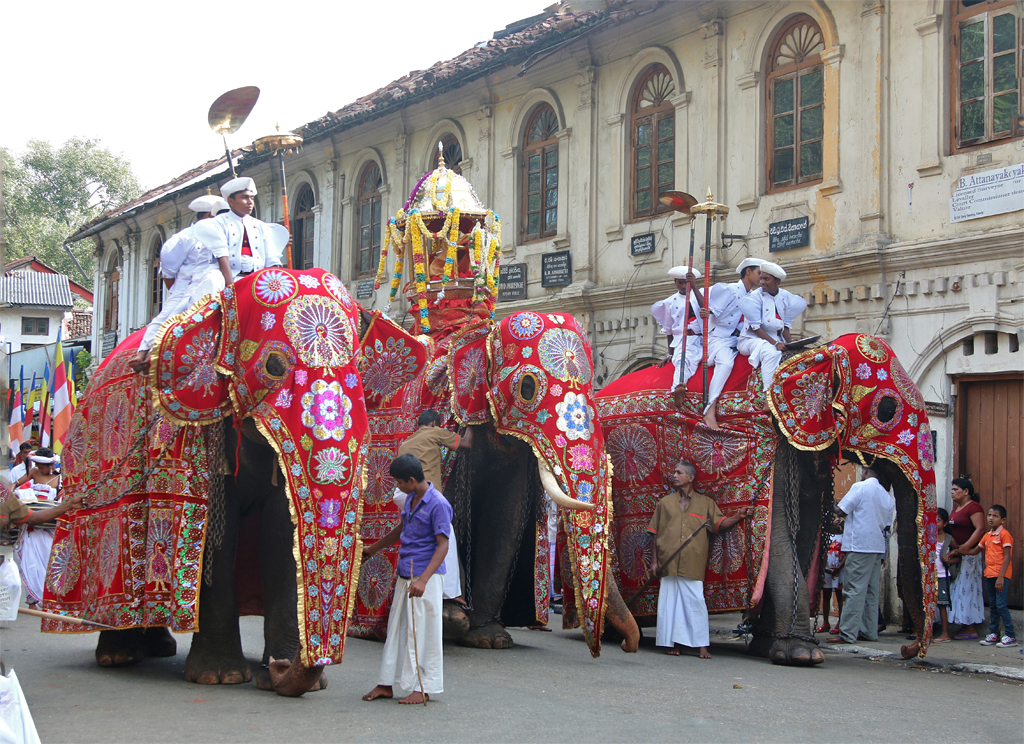
This ten-day Buddhist celebration honors the Sacred Tooth Relic of the Buddha, housed in the Temple of the Tooth in Kandy. The nightly processions feature dancers, whip-crackers, drummers, and elaborately adorned elephants carrying replicas of the relic.
The final night includes a grand procession called the Randoli Perahera. It’s an overwhelming spectacle of devotion, artistry, and tradition.
Taking place in the town of Kataragama, this multi-religious festival is one of Sri Lanka’s most unique. Devotees of Lord Skanda engage in fire-walking, self-mortification, and prayer rituals. It draws Buddhists, Hindus, and indigenous Vedda communities together.
This is a festival where raw spiritual devotion is visible on every street. Non-locals are welcome but must remain respectfully observant.
Final Thoughts
These ten cultural festivals in South Asia reflect the region’s diversity and depth. If you’re planning travel that goes beyond sightseeing—if you want connection, insight, and transformation—these festivals offer all of that and more.
For curated itineraries built around these festivals, visit YourVacations.in. Our cultural journeys across India, Nepal, Bhutan, and Sri Lanka help you not just witness, but truly participate.