Share your travel dreams, and we'll craft a personalized itinerary for you!
The quote provided is an estimate based on the information you supply. Final pricing may vary based on availability, changes in travel dates, and additional details.
Customized Quote - Bhutan
Share your travel dreams, and we'll craft a personalized itinerary for you!
The quote provided is an estimate based on the information you supply. Final pricing may vary based on availability, changes in travel dates, and additional details.
Customized Quote - Nepal
Share your travel dreams, and we'll craft a personalized itinerary for you!
The quote provided is an estimate based on the information you supply. Final pricing may vary based on availability, changes in travel dates, and additional details.
Customized Quote - India
Share your travel dreams, and we'll craft a personalized itinerary for you!
The quote provided is an estimate based on the information you supply. Final pricing may vary based on availability, changes in travel dates, and additional details.
Get Customized Quote
Share your travel dreams, and we'll craft a personalized itinerary for you!
The quote provided is an estimate based on the information you supply. Final pricing may vary based on availability, changes in travel dates, and additional details.
10 Must-See Cultural Festivals in South Asia (2026 Edition)
South Asia is not a region you simply visit; it is a region you experience. Its cultural festivals bring ancient traditions into the present through color, music, rituals, and shared joy. For travelers seeking meaning beyond sightseeing, cultural festivals in South Asia offer a direct window into living heritage.
In 2026, India, Nepal, Bhutan, and Sri Lanka will host some of the world’s most immersive festivals. These events mark harvests, seasons, spiritual milestones, and royal histories. This guide highlights ten must-see cultural festivals in South Asia, chosen for their cultural depth, traveler accessibility, and continued relevance. Each festival listed below offers a powerful reason to plan your journey around it.
1. Kumbh Mela – India
Why Kumbh Mela Matters
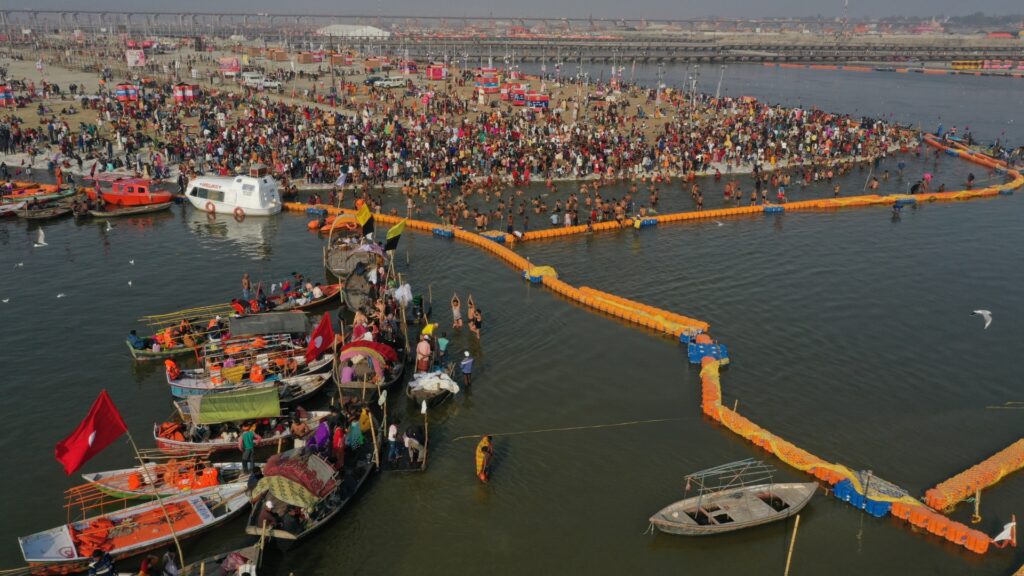
Kumbh Mela is the largest religious gathering on earth. Millions of Hindu pilgrims gather to bathe in sacred rivers, believing the ritual cleanses sins and grants spiritual merit. The scale alone is staggering, but the atmosphere of devotion is what stays with visitors.
When and Where
The 2026 Kumbh Mela will be held in Prayagraj, Uttar Pradesh, at the confluence of the Ganga, Yamuna, and the mythical Saraswati rivers. The main bathing dates fall between January and March.
What Travelers Experience
Temporary cities rise from the riverbanks, complete with tents, kitchens, clinics, and spiritual camps. Visitors witness processions of ascetics, Vedic chants, and river rituals at sunrise. For cultural travelers, it is a rare chance to observe faith at its most expansive.
Holi celebrates the arrival of spring and the victory of good over evil. It is one of the most photographed cultural festivals in South Asia, yet its roots are deeply spiritual and social.
When and Where
Holi takes place in March across India. Vrindavan and Mathura in Uttar Pradesh are considered the spiritual heartlands of the festival.
What Travelers Experience
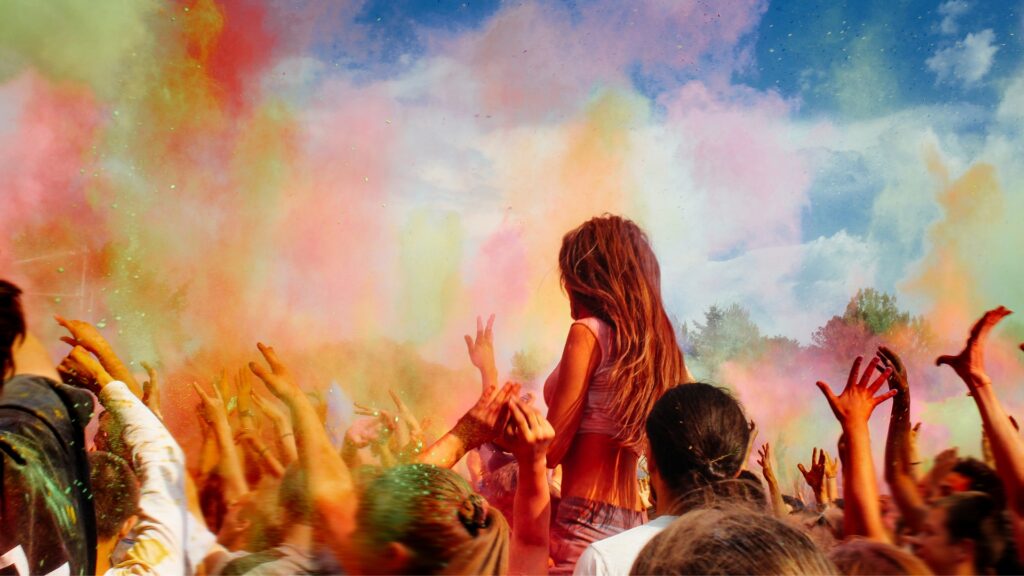
Streets turn into open celebrations filled with colored powder, music, and laughter. Temples host rituals days before the main event, offering a calmer cultural context. Travelers should join guided celebrations to understand local customs and stay safe.
3. Durga Puja – India
A Celebration of Art and Devotion
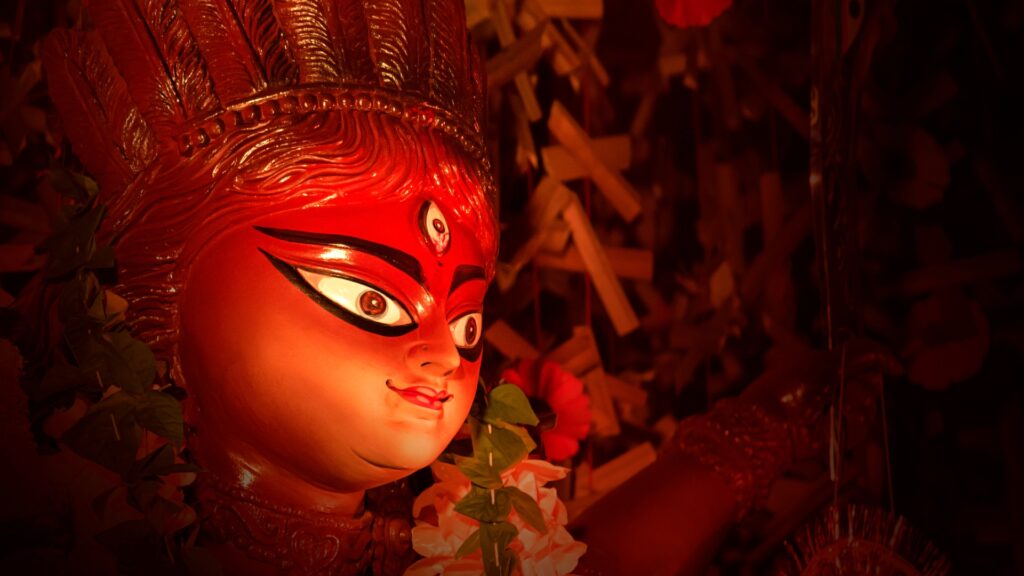
Durga Puja honors Goddess Durga’s victory over evil and doubles as one of India’s largest public art events. It blends religion, creativity, and community pride.
When and Where
Held in September or October, Durga Puja is most spectacular in Kolkata, West Bengal.
What Travelers Experience
Entire neighborhoods build themed pavilions called pandals, each showcasing intricate designs. Evenings are perfect for pandal-hopping, street food, and cultural performances. UNESCO has recognized Durga Puja as Intangible Cultural Heritage.
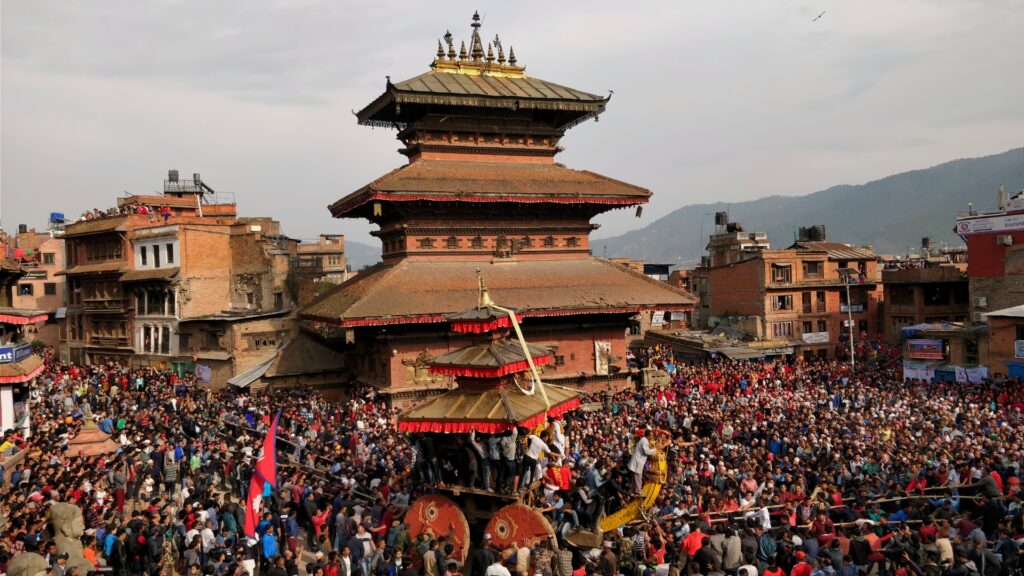
Bisket Jatra marks the Nepali New Year with rituals rooted in medieval tradition. The festival reflects the vibrant culture of the Newar community.
When and Where
Celebrated in April, Bisket Jatra takes place in Bhaktapur, near Kathmandu.
What Travelers Experience
Massive chariots carrying deities are pulled through narrow streets by competing groups. The energy is intense, raw, and deeply local. Travelers witness rituals that have remained unchanged for centuries.
5. Indra Jatra – Nepal
Honoring the God of Rain
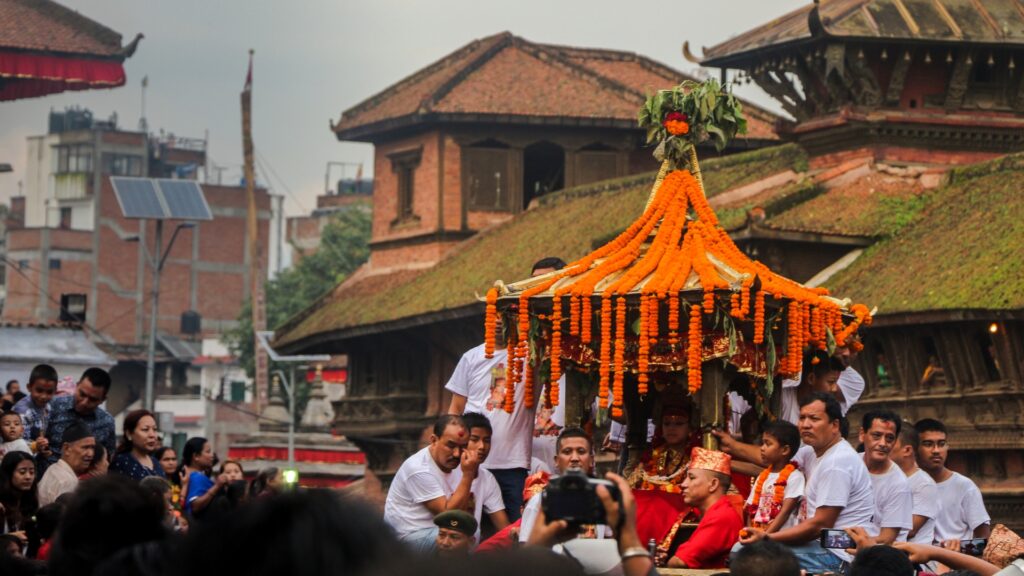
Indra Jatra honors Indra, the god of rain, essential for Nepal’s agrarian life. It also celebrates the living goddess Kumari.
When and Where
The festival is held in September in Kathmandu Durbar Square.
What Travelers Experience
Masked dances, processions, and chariot parades dominate the city. Seeing the Kumari appear in public is a rare cultural moment. The historic setting adds depth to the experience.
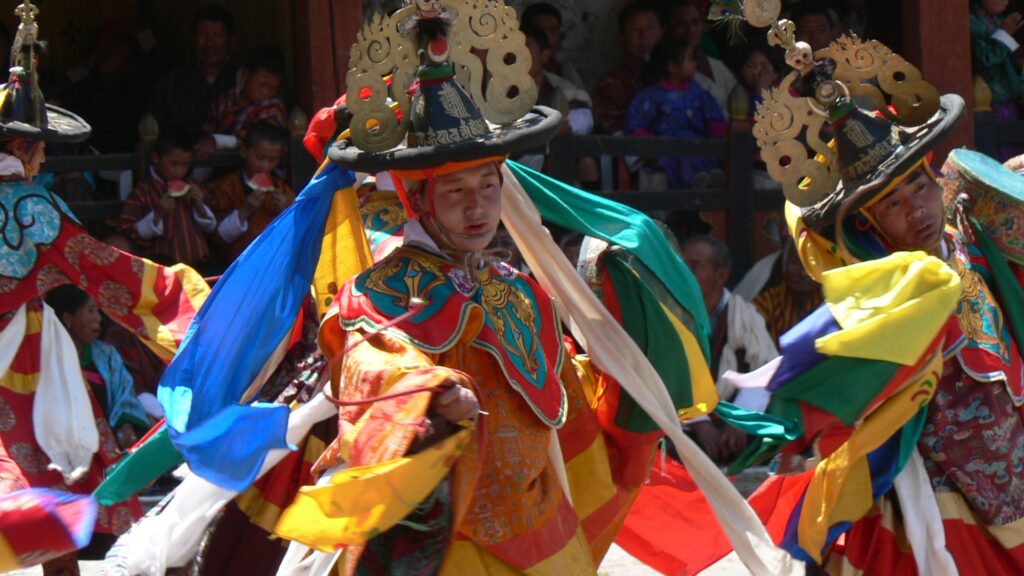
Paro Tsechu is one of Bhutan’s most important religious festivals. It commemorates master Padmasambhava, who introduced Buddhism to Bhutan.
When and Where
Usually held in March or April at the Paro Dzong.
What Travelers Experience
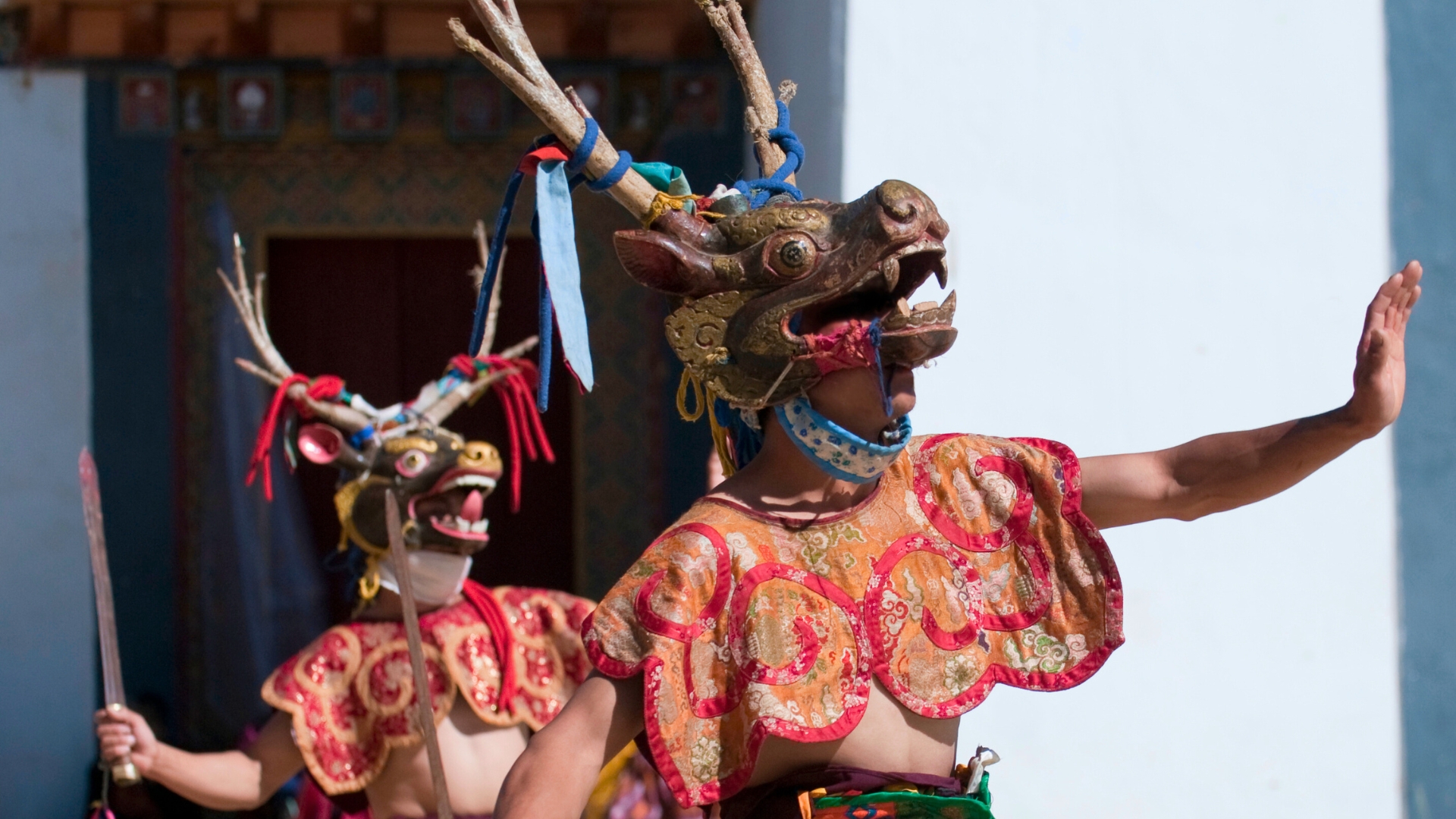
Monks perform sacred masked dances believed to purify spectators. Locals wear traditional attire, turning the festival into a cultural gathering as much as a spiritual one. The unfurling of the giant thangka is the festival’s highlight.
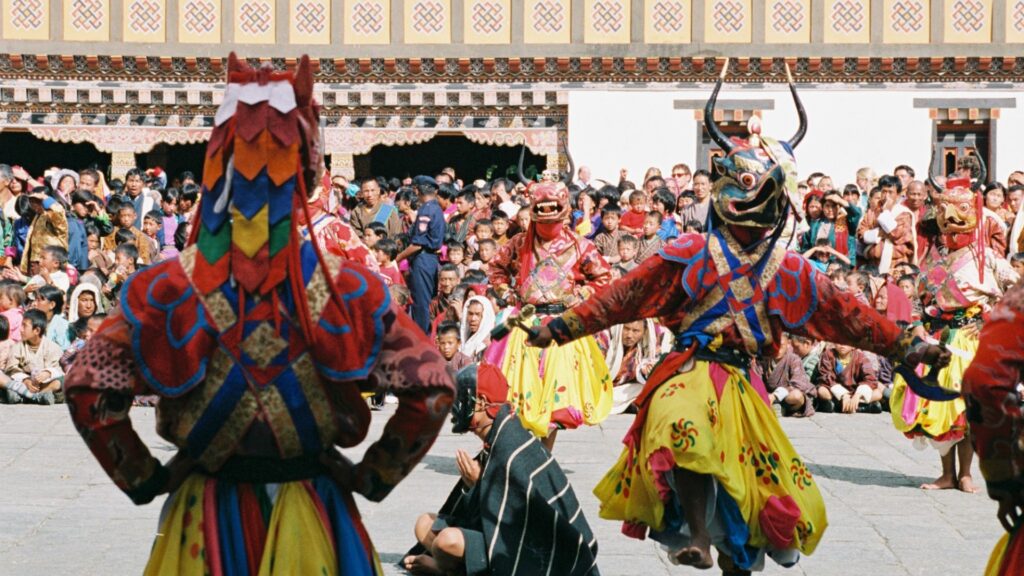
Thimphu Tsechu mirrors Paro Tsechu but with a larger audience. It blends religious significance with national identity.
When and Where
Held in September in Thimphu.
What Travelers Experience
The festival grounds fill with families, monks, and visitors. Mask dances, folk songs, and ritual performances unfold against the backdrop of Bhutan’s capital. It is one of the best cultural festivals in South Asia for first-time Bhutan visitors.
8. Esala Perahera – Sri Lanka
A Grand Procession of Faith
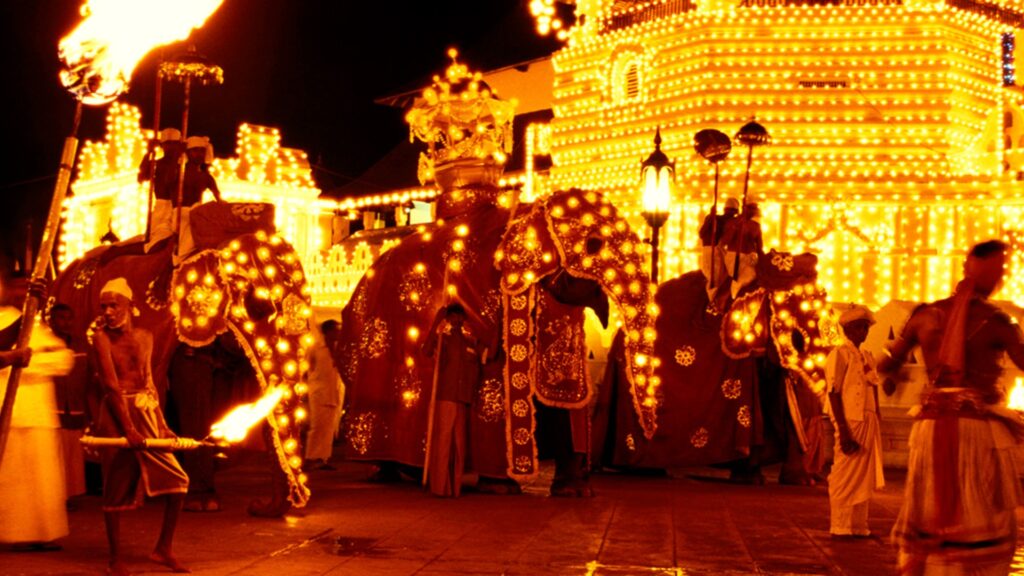
Esala Perahera honors the Sacred Tooth Relic of Lord Buddha. It is Sri Lanka’s most elaborate cultural festival.
When and Where
Celebrated in July or August in Kandy.
What Travelers Experience
Decorated elephants, fire dancers, drummers, and torchbearers parade through the city over several nights. The final procession is especially dramatic. Seating arrangements should be booked early.
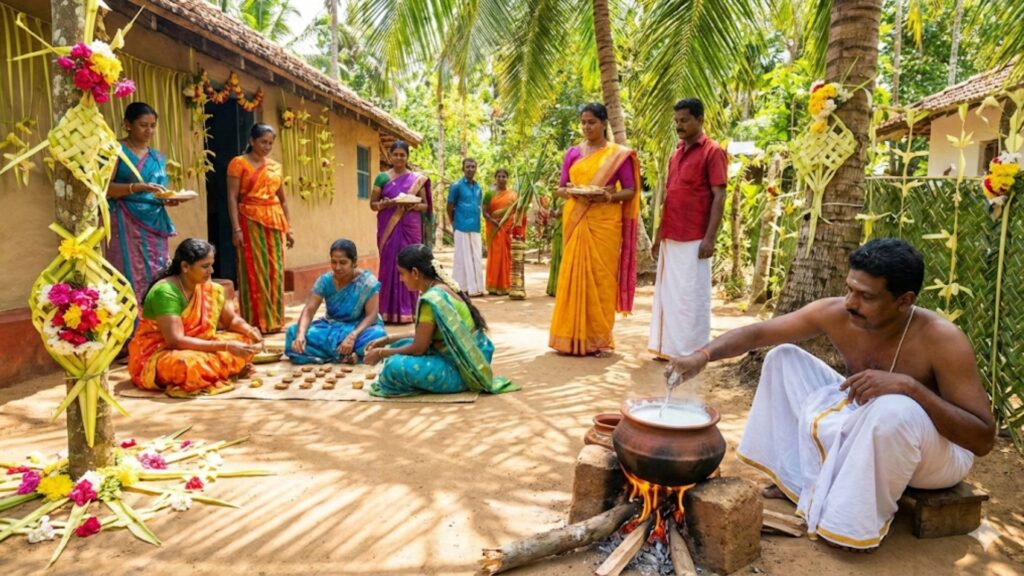
This festival marks the solar new year and is celebrated by both Sinhala and Tamil communities. It emphasizes renewal and harmony.
When and Where
Observed in mid-April across Sri Lanka.
What Travelers Experience
Homes open to guests, traditional games fill villages, and ritual cooking takes place at astrologically chosen times. It offers travelers a chance to experience daily life rather than staged celebrations.
10. Vesak – Sri Lanka
Celebrating the Buddha’s Life
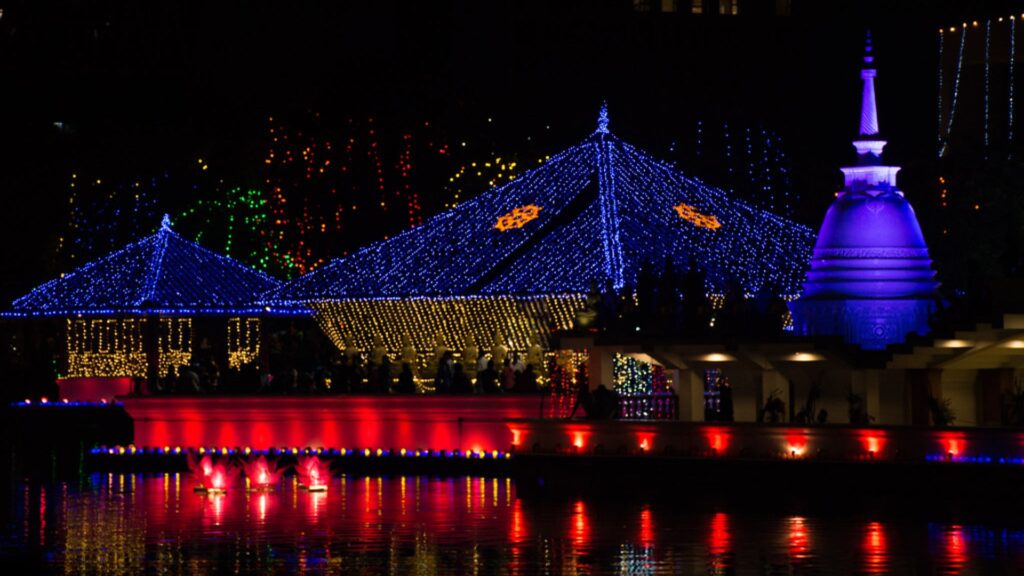
Vesak commemorates the birth, enlightenment, and passing of Lord Buddha. It is Sri Lanka’s most sacred Buddhist festival.
When and Where
Held in May during the full moon.
What Travelers Experience
Cities glow with lanterns and illuminated displays called pandols. Free food stalls promote generosity. The mood is peaceful, reflective, and welcoming to visitors.
Travel Tips for Festival-Based Journeys in South Asia
Planning travel around cultural festivals in South Asia requires foresight. Book accommodations early, respect local customs, and consider guided experiences for deeper understanding. Festivals often affect transport schedules, so flexibility helps.
Cultural festivals in South Asia are not performances for visitors. They are living traditions shaped by faith, history, and community. Planning your 2026 travels around these festivals allows you to witness South Asia at its most authentic.
From the spiritual intensity of Kumbh Mela to the elegance of Bhutan’s Tsechus and the illuminated streets of Vesak, each festival offers a different lens into the region’s soul. With thoughtful planning, these celebrations can become the most meaningful moments of your journey.